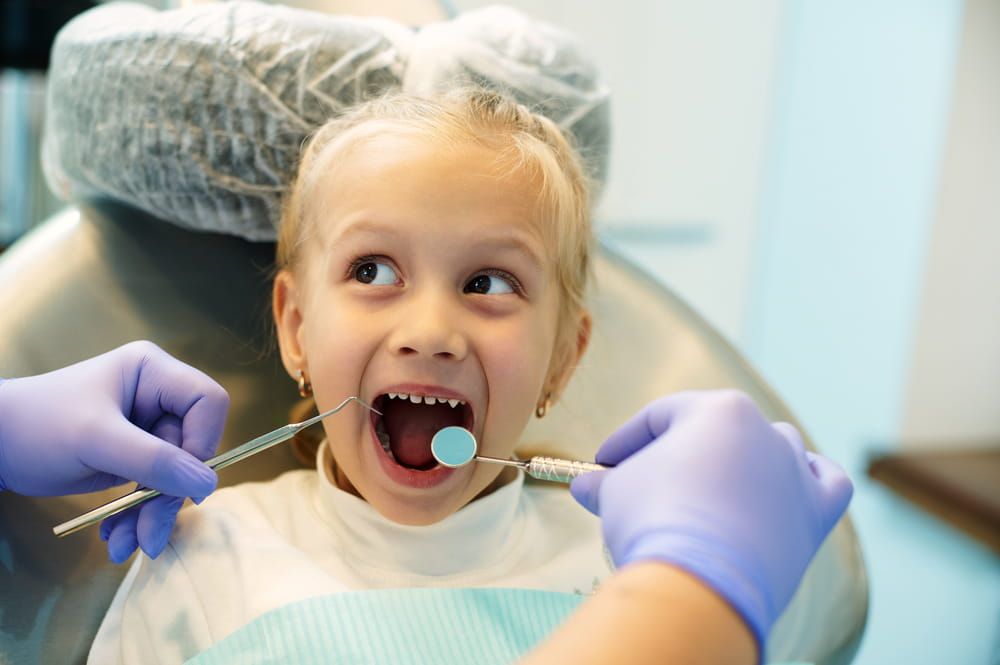
Helping children develop healthy oral care habits starts long before their first dental visit. Parents play a crucial role in shaping these habits and fostering positive attitudes toward dental hygiene. At Dentistry for Children and Young Adults in San Jose, CA, Dr. Shawn Taheri, DDS emphasizes that good oral health in childhood sets the foundation for a lifetime of healthy smiles. Through consistent guidance, education, and support, parents can ensure their children maintain strong teeth and gums as they grow.
Understanding the Importance of Early Oral Care
Good oral hygiene begins even before a child’s first tooth erupts. The early years are vital for establishing routines and protecting developing teeth from decay. Parents should start by gently wiping an infant’s gums with a soft, damp cloth after feedings to remove bacteria. Once teeth appear, using a small, soft-bristled toothbrush and a smear of fluoride toothpaste helps prevent early childhood caries. These early steps not only keep a child’s mouth clean but also help them become familiar with the brushing process, making future routines easier.
Neglecting oral care during infancy and toddlerhood can lead to issues such as cavities, gum inflammation, and even difficulty with eating and speaking later on. Moreover, parents who model consistent oral hygiene behaviors send a strong message about the importance of self-care. Children who see their parents brushing and flossing daily are far more likely to adopt those habits themselves.
Building Daily Oral Health Routines
Establishing a consistent oral care routine is one of the most impactful ways parents can promote long-term dental health. Routines should include brushing twice a day and flossing once daily as children’s teeth begin to touch. Parents can turn these routines into enjoyable family activities to encourage participation and consistency.
Creating a positive environment around dental hygiene can make a significant difference. Parents might consider allowing children to pick out their toothbrushes or using songs and timers to make brushing fun. Regular praise and encouragement help reinforce these behaviors, turning them into lifelong habits. Parents should also supervise brushing until children are around 7 or 8 years old to ensure proper technique and adequate cleaning.
Quick checklist for parents:
- Brush your child’s teeth twice daily with fluoride toothpaste.
- Floss once a day when teeth touch.
- Schedule routine dental checkups every six months.
- Encourage a balanced diet low in sugary snacks and drinks.
Nutrition and Its Impact on Oral Health
A nutritious diet plays an equally important role in maintaining a healthy mouth. Parents should guide children toward balanced eating habits that support strong teeth and gums. Foods rich in calcium, vitamin D, and phosphorus help build enamel and strengthen developing teeth. Dairy products, leafy greens, nuts, and lean proteins are excellent options to include in daily meals.
On the other hand, frequent consumption of sugary foods and beverages can accelerate tooth decay. Sticky snacks, candies, and sugary juices provide fuel for harmful bacteria that produce acids, leading to cavities. Parents can teach moderation by reserving sweets for special occasions and encouraging water or milk instead of soda or fruit drinks. These simple dietary changes can drastically reduce the risk of dental problems throughout childhood.
Encouraging Positive Dental Experiences
Children’s perceptions of dentistry often depend on how their parents approach dental visits. When parents talk positively about dental care and avoid expressing fear or anxiety, children are more likely to feel comfortable during appointments. Parents should prepare children for visits by explaining what to expect in age-appropriate terms and emphasizing that dental care is part of staying healthy.
Regular checkups allow dentists to monitor oral development, identify potential issues early, and provide professional cleanings. These visits also reinforce lessons about brushing, flossing, and diet, making them valuable educational experiences. When parents view dental visits as a routine part of health care—just like doctor visits—children adopt the same perspective, reducing fear and building trust with their dentist over time.
Promoting good oral health in children requires consistency, patience, and education. Parents are the first and most influential teachers when it comes to healthy habits. By establishing routines, modeling proper care, and encouraging positive attitudes toward dental health, parents can set their children up for a lifetime of bright, healthy smiles. At Dentistry for Children and Young Adults in San Jose, CA, Dr. Shawn Taheri, DDS encourages every family to make oral health a shared priority from the very beginning.
Resources:
American Academy of Pediatric Dentistry. (2022). Guideline on Fluoride Therapy. Pediatric Dentistry Journal.
Featherstone, J. D. B. (2000). The Science and Practice of Caries Prevention. Journal of the American Dental Association.
Petersen, P. E. (2003). The World Oral Health Report 2003: Continuous Improvement of Oral Health in the 21st Century. World Health Organization.