Tooth decay is one of the most common chronic conditions affecting children, yet early dental intervention can prevent long-term complications. At Dentistry for Children and Young Adults in San Jose, CA, families learn that addressing dental issues early is crucial to ensuring healthy oral development and avoiding pain or infection. Children’s teeth are more susceptible to cavities due to thinner enamel and dietary habits, making proactive care essential. Parents who prioritize early dental visits give their children the best chance at maintaining strong, healthy teeth throughout childhood and beyond.
Early dental care not only addresses existing decay but also educates families on preventive strategies. Routine dental exams and cleanings are the first line of defense, allowing dentists to monitor the development of teeth and detect early signs of decay. This ongoing supervision helps identify risk factors and implement treatments before problems worsen, ultimately reducing the need for more invasive procedures in the future.
Benefits of Early Intervention
Early intervention offers several advantages that extend beyond immediate oral health. First, it minimizes the risk of severe decay, which can lead to pain, difficulty eating, and speech issues. By managing tooth decay early, children are less likely to require extensive procedures such as crowns or bonding later on. Preventive care also promotes healthy oral habits, setting the foundation for a lifetime of good dental hygiene.
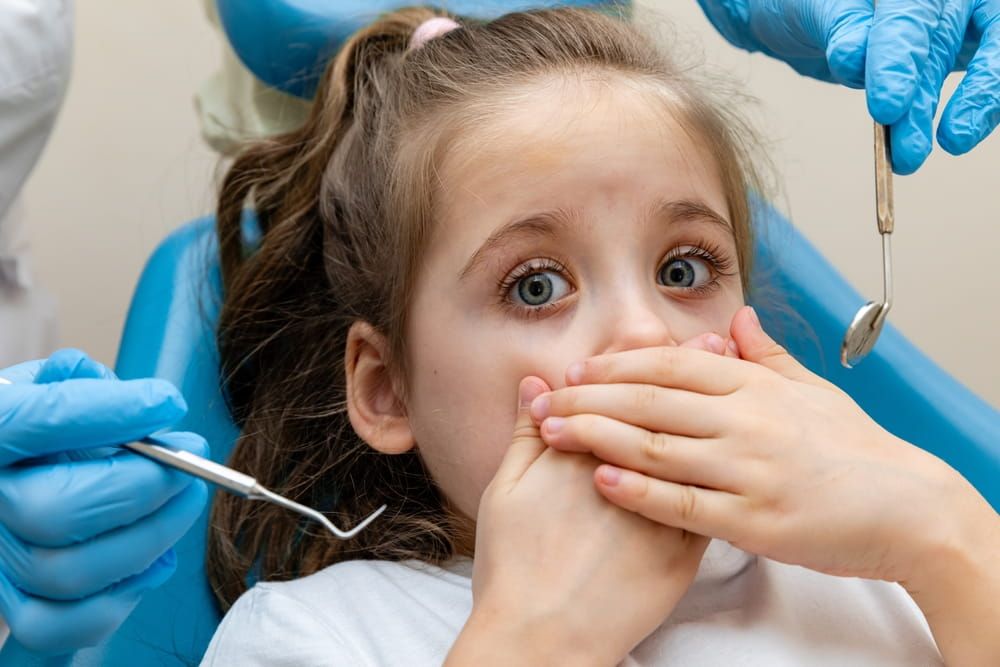
Behavioral benefits are also significant. Children who receive dental care early often develop positive associations with dental visits, reducing anxiety and fear. This ensures smoother experiences during future appointments. Additionally, early intervention can address bite or alignment issues sooner, which may later require orthodontic treatment. Preventing complications from untreated decay also contributes to overall health, as chronic oral infections can affect nutrition, sleep, and even systemic health.
Options for Managing Tooth Decay in Children
There are multiple approaches to managing tooth decay, tailored to the child’s age, severity of decay, and overall oral health. One non-invasive option is Silver Diamine Fluoride (SDF), which can halt the progression of cavities in young children and those who may struggle with traditional dental procedures. Similarly, applying fluoride treatments strengthens enamel, making teeth more resistant to decay. Another preventive option is sealants, which provide a protective barrier over the grooves of molars, reducing the risk of cavities in hard-to-clean areas.
For children with more advanced decay, restorative treatments like crowns or bonding may be necessary to restore tooth structure and function. These procedures help prevent further damage while maintaining a child’s ability to chew and speak comfortably. In addition, consistent preventive care routines, including at-home brushing, flossing, and dietary guidance, play a crucial role in supporting these clinical treatments. For active children, mouthguards can also protect teeth from traumatic injuries that might exacerbate existing dental issues.
Encouraging Lifelong Oral Health
Implementing early dental interventions instills habits and practices that benefit children throughout life. Regular monitoring, preventive measures, and timely treatments reduce the need for complex procedures as children grow. Families who prioritize oral health also empower children to take ownership of their dental hygiene, promoting confidence and a healthy smile.
At Dentistry for Children and Young Adults in San Jose, CA, early intervention is not just about treating cavities—it’s about creating a foundation for lifelong dental wellness. Addressing decay promptly, exploring preventive options, and educating families ensures that children can enjoy healthy teeth and a positive relationship with dental care for years to come.
Resources:
McLaughlin, K. A., & Nolen-Hoeksema, S. (2011). Rumination as a Transdiagnostic Factor in Depression and Anxiety. Behavior Research and Therapy.
American Academy of Pediatric Dentistry. (2022). Policy on Early Childhood Caries.
Selwitz, R. H., Ismail, A. I., & Pitts, N. B. (2007). Dental Caries. The Lancet.