At Dentistry for Children and Young Adults in San Jose, CA, we understand that teaching children the importance of dental hygiene is a critical step toward ensuring a lifetime of healthy smiles. Habits formed in childhood often carry into adulthood, making it essential to instill proper oral care routines early. From regular brushing and flossing to understanding why dental visits are necessary, children who learn these skills develop confidence in caring for their teeth and gums. Introducing these concepts in a fun, age-appropriate way can help children view oral hygiene as a positive, routine part of daily life rather than a chore.
Parents can use various tools and strategies to make oral care engaging. Simple explanations about why teeth need protection, combined with interactive demonstrations of proper brushing techniques, can make a lasting impression. In addition, discussing the benefits of Preventive Care and how it helps teeth stay strong can provide children with concrete examples of why daily care is important. By combining education with practice, children can learn to take responsibility for their own oral health from an early age.
Making Brushing and Flossing Fun
One of the biggest challenges parents face is motivating children to brush and floss consistently. Turning these activities into a fun, interactive experience can make a huge difference. For example, parents can allow children to pick a toothbrush in their favorite color or character, and using songs or timers during brushing can encourage thoroughness. Explaining that brushing protects teeth from cavities, and occasionally using a small mirror to let children see the “sugar bugs” they are cleaning off, can make oral hygiene more engaging.
Flossing can also be introduced gradually, especially if children are resistant. Demonstrating proper flossing on a stuffed animal or on a parent’s teeth can provide visual guidance. Parents can highlight how flossing complements brushing to reach areas between teeth, preventing plaque buildup. Reinforcing these habits with praise or small rewards creates positive associations and encourages consistency. Incorporating fluoride treatments, such as Fluoride exposure, can also help children understand the protective measures that keep teeth strong and cavity-free.
Educating About Cavities and Tooth Protection
Children often respond well to tangible explanations about dental health, including the causes and prevention of cavities. Using visual aids or books to show how plaque and bacteria can damage teeth helps them understand the consequences of neglecting oral hygiene. Explaining preventive measures such as Sealants reinforces the idea that some tools can protect teeth from decay, especially in hard-to-reach molars.
In addition, children who participate in sports or physical activities benefit from learning about the importance of Mouthguards for protecting teeth from injury. Understanding that certain preventive measures are part of taking care of their teeth empowers children to see dental hygiene as a proactive, protective habit rather than a reaction to problems. Teaching kids to recognize situations that may harm their teeth, from sugary snacks to rough play, builds awareness that supports long-term oral health.
Routine Dental Visits and Building Trust
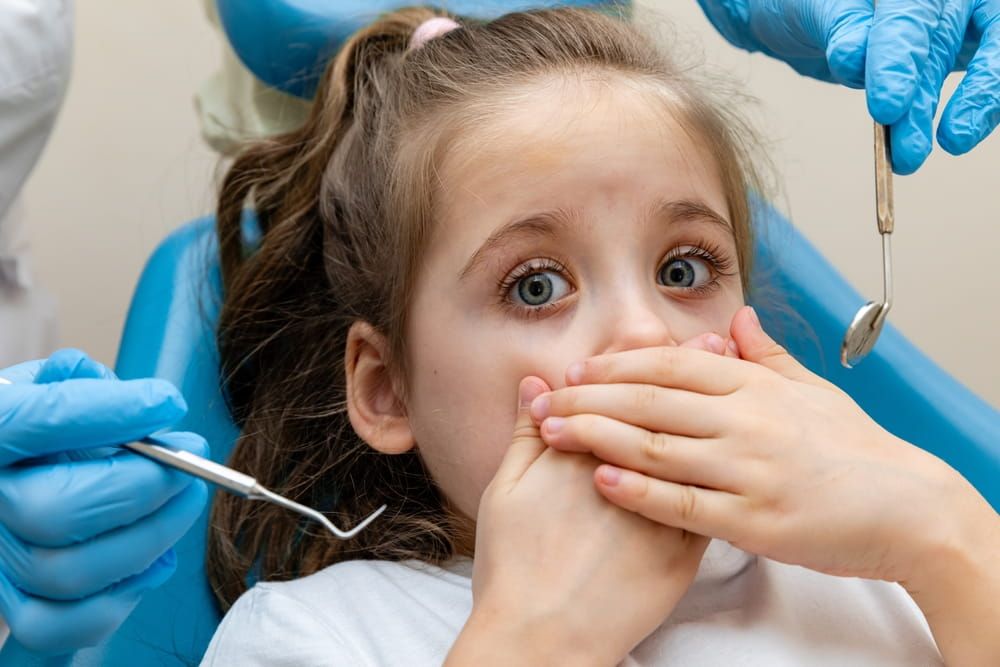
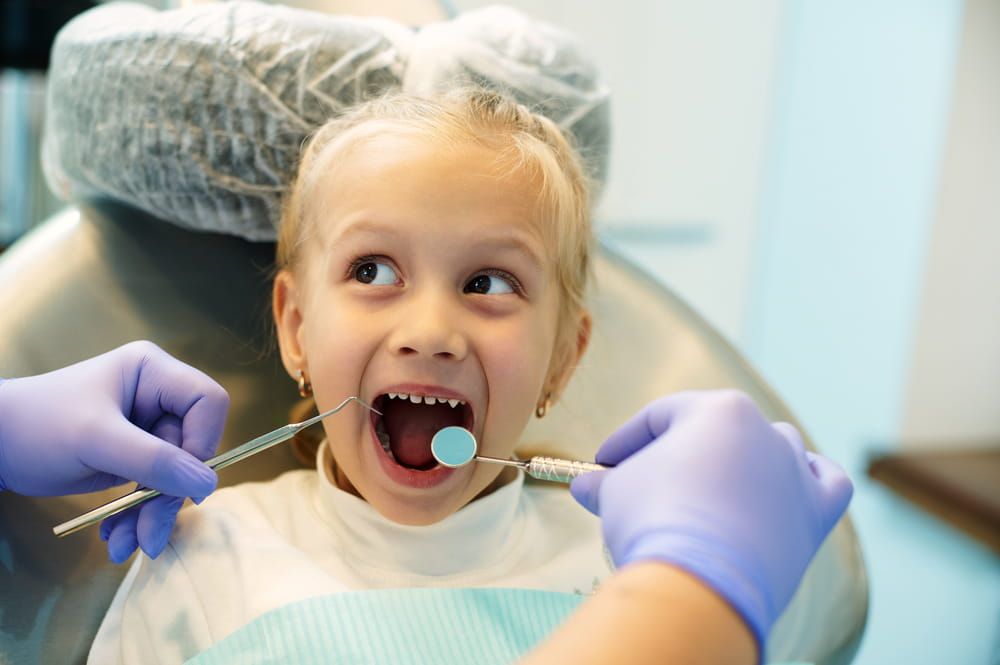
Regular dental visits are essential for maintaining healthy teeth and gums, and teaching children to view these appointments positively is key. Explaining what happens during Dental Exams and Cleanings can reduce anxiety by demystifying the process. Children who understand that dental visits are preventive rather than punitive are more likely to approach them without fear. Parents can reinforce the idea that dentists are partners in keeping teeth healthy and strong.
Encouraging children to ask questions and engage with their dentist helps build trust and confidence. Discussing topics such as fluoride application or monitoring for cavities gives children a sense of ownership over their dental care. Emphasizing preventive care over reactive treatment instills a mindset of lifelong oral health responsibility. By teaching children to appreciate the value of professional dental care, families help ensure healthy smiles for years to come.
Lifelong Habits Start Young
Teaching children the importance of dental hygiene is a combination of education, routine, and positive reinforcement. From fun brushing techniques to understanding cavities and protective measures like fluoride and sealants, children in San Jose can develop habits that lead to strong, healthy teeth throughout their lives. At Dentistry for Children and Young Adults, Dr. Shawn Taheri, DDS, encourages families to start these conversations early, fostering confidence and responsibility in children’s oral health. By creating engaging routines and reinforcing preventive measures, parents can help their children build smiles that truly last a lifetime.
Resources:
- American Dental Association. “Brushing Your Teeth.” ADA.org.
- Centers for Disease Control and Prevention. “Oral Health Tips for Children.” CDC.gov.
- National Institute of Dental and Craniofacial Research. “Dental Sealants.” NIDCR.nih.gov.