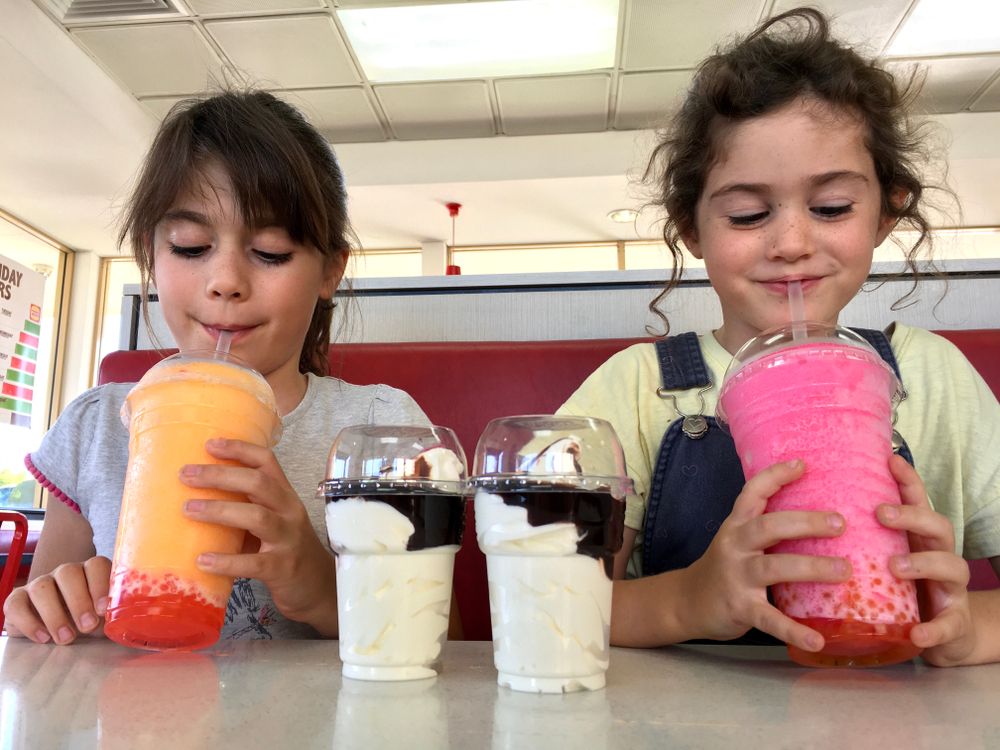
Sugary beverages are among the leading causes of tooth decay in children today. From sodas and fruit juices to flavored milk and sports drinks, these sweetened beverages are often part of a child’s daily diet. At Dentistry for Children and Young Adults in San Jose, CA, Dr. Shawn Taheri, DDS emphasizes the importance of understanding how these drinks affect young teeth and what steps parents can take to protect their children’s oral health. Developing awareness early on helps families make smarter beverage choices and promote lifelong healthy habits.
How Sugary Drinks Contribute to Tooth Decay
Tooth decay occurs when bacteria in the mouth feed on sugars and produce acids that erode tooth enamel, the hard outer layer protecting teeth. Sugary drinks provide an abundant supply of fuel for these bacteria, allowing acid attacks to continue for extended periods. Every sip of a sugary beverage can restart the decay process, keeping teeth under constant exposure to harmful acids. Over time, this weakens enamel and leads to cavities, sensitivity, and even pain.
Children are especially vulnerable because their enamel is thinner and still developing. Many beverages marketed as “healthy” alternatives, like flavored waters and fruit juices, contain hidden sugars that can be just as damaging as soda. Even 100% fruit juice, while containing natural sugars, can contribute to decay if consumed frequently or left to linger in the mouth.
The Hidden Sugars in Common Beverages
Parents are often surprised by how much sugar is hidden in everyday drinks. A single 12-ounce can of soda contains about 10 teaspoons of sugar—well above the recommended daily limit for children. Fruit juices, sports drinks, and sweetened teas may also contain similar or even higher sugar levels. These drinks not only harm dental health but also contribute to other issues like obesity and poor nutrition.
Understanding labels is key to identifying added sugars. Words such as sucrose, fructose, glucose, and corn syrup all indicate sugar content. Even “no added sugar” drinks can still be acidic, further weakening enamel. Choosing water or milk over sweetened beverages can dramatically reduce a child’s risk of tooth decay and support overall health.
Common sources of hidden sugar in children’s diets include:
- Soda, fruit juice, and flavored water
- Sports and energy drinks
- Chocolate and flavored milk
- Sweetened teas and coffee beverages
- Powdered drink mixes
Preventing Tooth Decay Through Smarter Beverage Choices
Parents can help prevent decay by promoting water as the main source of hydration. Water not only keeps the mouth clean but also helps rinse away food particles and neutralize acid levels. Fluoridated water adds extra protection by strengthening enamel and making teeth more resistant to decay. Encouraging children to drink water after meals and snacks can make a noticeable difference in oral health.
Limiting sugary beverages to special occasions and avoiding them between meals reduces the frequency of acid attacks. Teaching children to use a straw when drinking sweetened beverages can also minimize contact with teeth. Furthermore, maintaining a balanced diet with fruits, vegetables, and calcium-rich foods supports stronger enamel and overall well-being. By setting clear expectations and modeling good habits, parents can instill positive routines that last into adulthood.
Educating Children About Sugar and Dental Health
Children are more likely to follow healthy habits when they understand why they matter. Parents can use everyday examples—like showing how sugar can harm teeth or comparing sugary drinks with water—to make oral health lessons engaging. Encouraging children to read nutrition labels and make choices themselves builds confidence and awareness.
Routine conversations about healthy eating and oral care can make a lasting impact. When children understand that taking care of their teeth keeps their smiles bright and strong, they are more motivated to choose healthier options. Reinforcing these lessons at home, school, and during family meals helps create a consistent message that oral health is a lifelong priority.
Sugary drinks are one of the most preventable causes of tooth decay in children. By making informed beverage choices and practicing consistent oral hygiene, parents can protect their children’s smiles for years to come. At Dentistry for Children and Young Adults in San Jose, CA, Dr. Shawn Taheri, DDS encourages families to make water their beverage of choice and to understand the lasting impact that sugar can have on young teeth.
Resources:
Moynihan, P. J., & Kelly, S. A. M. (2014). Effect on Caries of Restricting Sugars Intake: Systematic Review to Inform WHO Guidelines. Journal of Dental Research.
Tahmassebi, J. F., Duggal, M. S., Malik-Kotru, G., & Curzon, M. E. J. (2006). Soft Drinks and Dental Health: A Review of the Current Literature. Journal of Dentistry.
Sheiham, A., & James, W. P. T. (2015). Diet and Dental Caries: The Pivotal Role of Free Sugars Reemphasized. Journal of Dental Research.